Aftershoot buying guide: do similar photos really need a single keeper?
Compare standard and Extreme Cull using required burst frames and review time, not the speed of generating picks.
Aftershoot groups similar photos for review. More aggressive grouping may save time for repeat studio frames when you need one image. When a delivery tells a sequence, the opening, peak and landing can look similar and still serve different purposes.
Check what the grouping changes
Aftershoot’s December 2024 release describes Extreme Cull as creating larger duplicate groups to narrow selection. That is not a deletion policy or a reason to deliver only one frame. Take a fictional brief with four self-shot images of a bouncing ball. The brief needs takeoff, highest point and landing. The second, rising frame is optional. Mark frames 1, 3 and 4 as mandatory regardless of score.
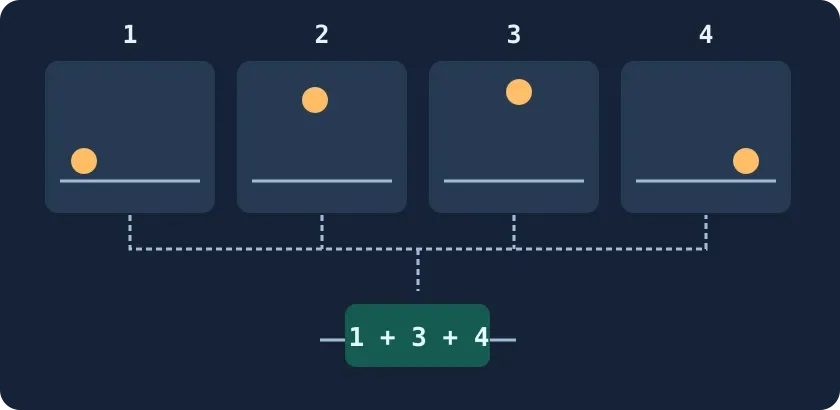
Original diagram: visually similar frames can carry different information about movement.
Compare review work, not selection speed
List the required frames first. On copies of the same self-owned set, compare standard culling with Extreme Cull. Record group count, required frames omitted from initial picks, how you recover them and total time to review. Retain 3/3 in the sequence. If any is hard to recover reliably, do not use aggressive grouping as the basis for delivery. Limit it to static sets that need one frame and keep standard grouping with human review elsewhere. Retain the originals and do not auto-delete. These are proposed checks, not measured results or privacy guarantees.
Content note:This article is based on publicly available information and is intended as a reference for evaluating tools. Features, pricing, and related policies may change at any time; please refer to the latest official information.
Original source:aftershoot.com