Is AgentMicro worth installing? Measure how often you need to reopen Codex
If you follow several local Codex tasks on one Mac, compare the menu-bar indicator with Codex itself using harmless test tasks and time how quickly you reach the right conversation.
AgentMicro is for developers who juggle several local Codex tasks on the same Mac and keep reopening windows to see whether one needs them. Its release notes list macOS 14 or later and locally installed Codex Desktop or CLI. If you rarely watch more than two tasks, or the work runs on another machine, start with the existing task list or terminal tabs. A menu-bar utility does not manage remote work queues.
The appeal is seeing running, waiting-for-input and completed-unread states in the menu bar. It is an independent, read-only project, not an OpenAI product. It does not grant permissions, approve anything or resolve an error for you. Release notes say state is read locally without uploading prompts or code. That does not hide task titles during screen sharing, so avoid customer names, codenames and case IDs in the trial.
Test three harmless local tasks
Start with a team-approved version and default permissions; do not grant Accessibility permission for this trial. Use three synthetic, text-only exercises in your existing local Codex sessions. Name them A, B and C and trigger no commands or external actions. Look for one running task, one that asks you to choose between options, and one completed task you have not opened. Use each source conversation as the reference. Count a state the base mode misses as a miss rather than guessing why. Check whether it distinguishes waiting from completed-unread and whether selecting a Desktop entry opens the right conversation. Do not assume a CLI entry can restore your terminal session. If your team often resumes yesterday’s conversations, add a resumed older task and check that its state no longer looks stale.
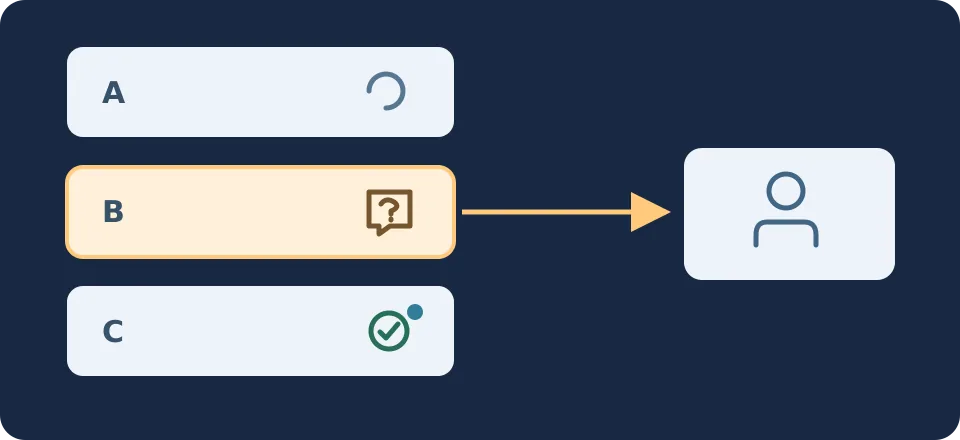
Figure 1. Here B needs a response; leave A running and read C later.
Run two comparisons with the native Codex list
Try the menu bar and your existing list separately. Time how long it takes to reach the right conversation and count unnecessary window switches, false alerts and misses. Change the order for a second round so recall does not make one method look faster. Adopt only if both rounds reduce switching without losing important cues. If state falls out of sync, shared screens expose titles, or you need approvals, dispatching or a team dashboard, keep your existing method.
Content note:This article is based on publicly available information and is intended as a reference for evaluating tools. Features, pricing, and related policies may change at any time; please refer to the latest official information.
Original source:github.com