Should you use AgentSkillsHub? Check which version the A grade actually covers
Use AgentSkillsHub to narrow a search for agent skills, but match the upstream version and permission scope before a candidate reaches your team's shortlist.
AgentSkillsHub is useful if your team regularly searches unfamiliar repositories for agent skills. Its directory puts repository links, permission notes and grades together so you can build a shortlist. If you already have an internally reviewed revision or the vendor points to one official repository, go there first and cut out a second, potentially stale source.
AgentSkillsHub presents grades, source evidence and permissions as screening signals. It also notes that a catalog refresh does not establish that the upstream code was checked again. Treat the grade as a lead. If there is no documented reviewed version, date and scope, mark the current revision as unverified. A listing that says “verified” is not your team's approval.
Use a task that only needs to read Markdown
Say you want an outline from a public Markdown document. Imagine a catalog entry shows an A grade that you can trace to v1. The v1 docs only describe reading the input file; the upstream v2 notes add an external service and writes to an output directory. Neither is needed for this task, so do not carry over the old grade. Open the catalog and maintainer's repository as read-only pages. Check the publisher, exact tag or commit, release date, skill instructions and any referenced supporting files. Record which permissions are documented and which remain unknown. Do not open an installer, copy the skill files, or run commands.
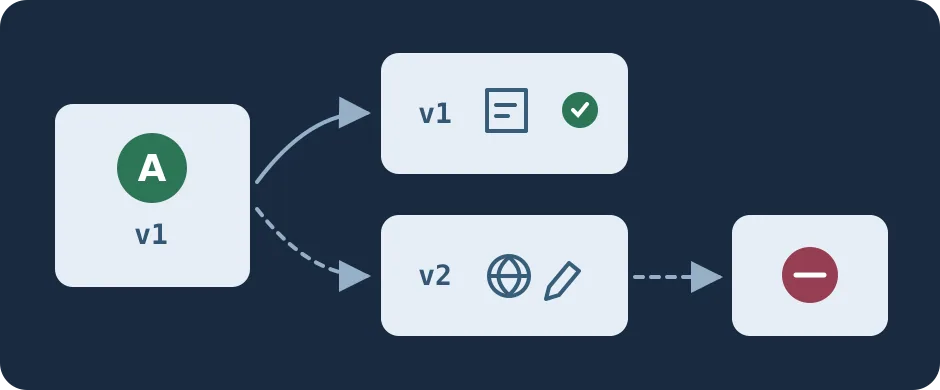
Figure 1. Hold the newer release until you can establish that its new permissions are needed and covered by review.
Compare with going straight to upstream
Pick three candidates and have two people start separately from the catalog and the maintainer's repository. Use the same sheet for version, permissions, evidence, and open questions. Time each route until it supports a shortlist decision, not until the first A grade appears. Keep the directory for discovery if it is faster and reaches checkable upstream evidence. If version and reviewed evidence do not align, permissions are unclear, or scope is broader than the task, set the candidate aside and stick with what your team has already reviewed.
Content note:This article is based on publicly available information and is intended as a reference for evaluating tools. Features, pricing, and related policies may change at any time; please refer to the latest official information.
Original source:web.archive.org