Is Aikido Security worth it? Put dependency alerts through three defensive checks
Use two fictional dependencies to review advisory versions, release and build coverage, and follow-up. Unreachable does not mean safe.
Buy triage evidence, not a safety verdict
Aikido’s October 2025 article describes reachability in triage; its November release describes IDE software composition analysis. Its current docs distinguish development dependency CVE settings from production coverage. Consider it if ownership spans repositories and alert review is manual. If one project already has a dependable inventory and review, compare it against vendor advisories before buying fewer alerts.
Take two fictional entries through three checks
On paper, A is in a dummy release inventory and its version matches a fictional advisory. B is marked development-only, but the build record does not show whether it shipped. Check exact package, resolved version and advisory range, then build and release records, then record owner, evidence and recheck conditions. Use synthetic inventories and demonstration reports only; run no scans or installs on any project.
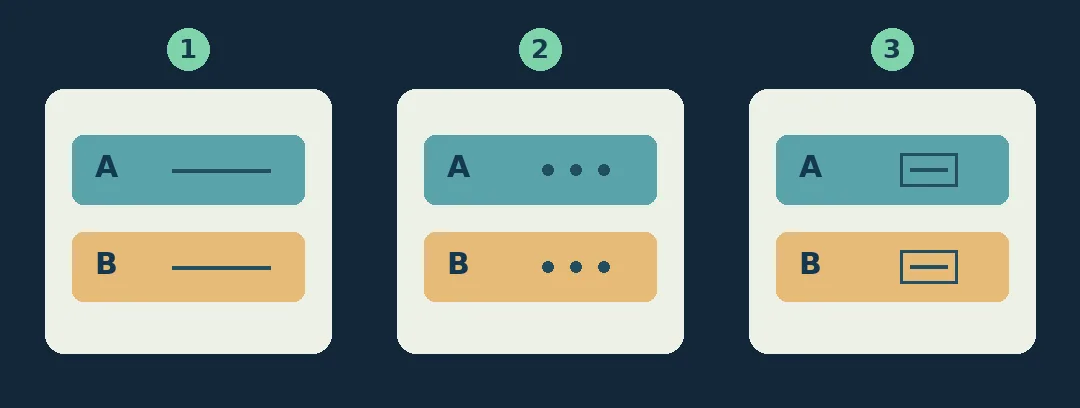
Original decision diagram, not Aikido UI or an actual scan.
Unreachable does not mean safe
For A, assign human review of remediation and regression checks. Keep B open pending evidence: a development label, no report or an unreachable result does not justify closing it. Language and build coverage can be incomplete and change after updates. Ask how the report identifies uncovered cases. Don’t test attacks. Look for evidence a reviewer can explain and an explicit unknown state.
Require an auditable second pass
Have another reviewer reconcile the dummy inventory, then change B to confirmed in the release and see whether the disposition can reopen. A wrong version match, premature closure, or closing without evidence fails. Check supported language and versions, build coverage, capacity and approval cost; keep repairs under human control. Proceed only if both runs are traceable and save time, otherwise keep manual inventory and existing alerts.
Content note:This article is based on publicly available information and is intended as a reference for evaluating tools. Features, pricing, and related policies may change at any time; please refer to the latest official information.
Original source:www.aikido.dev