Aloud: When is spoken interface feedback faster than a written ticket?
Separate location, observation and untested scope before handing off a UI issue.
The Goze listing points to aloud.sh, not a dubbing tool. Its August launch and August 24 GitHub release establish a tool that turns spoken feedback into tasks a coding agent can read. Consider it when explaining a problem while pointing at an interface. For a clear reproduction and expected result, a written template is usually faster. A task draft does not authorize execution.
Make the observation repeatable
Use an original fictional form and your own narration offline. Say ‘In layout B at 320 pixels, the last button label clips; I haven’t checked narrower widths.’ A reviewer should recover the element, width, observed result and expected readability. The ticket may say ‘observed at 320,’ not ‘all widths ≤320’ or a guessed CSS cause. Capture only your own mock interface, not notifications, real accounts or other voices.
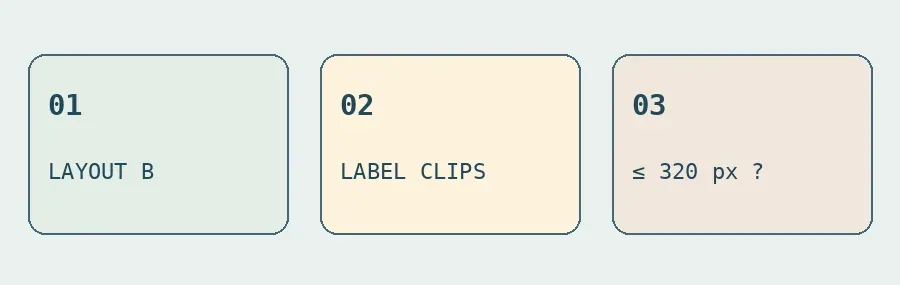
Original schematic, not product UI. The question mark marks untested scope, not a verified reproduction.
Compare time to a usable ticket
Time capture, cleanup and readback against a written ticket. Fix any factual error. If the reviewer still asks where or at what width, the handoff did not save work. Choose the tool when voice and image cut back-and-forth and a person checks every fact. Keep text when wording must be exact, location is already clear or recording is not permitted.
Content note:This article is based on publicly available information and is intended as a reference for evaluating tools. Features, pricing, and related policies may change at any time; please refer to the latest official information.
Original source:www.producthunt.com