After an AlphaResearch hit, which filing should you verify in EDGAR?
Compare cross-document discovery with direct retrieval, then pin each hit to a reproducible filing and passage.
For one known U.S. filing period, start with SEC EDGAR, which supports full-text search and filtering by filing date and form. AlphaResearch’s 10-K and 10-Q search was publicly documented in 2022. It may be worth adding as a discovery layer if you repeatedly look for the same phrase across companies’ disclosures. Confirm hits in the official originals.
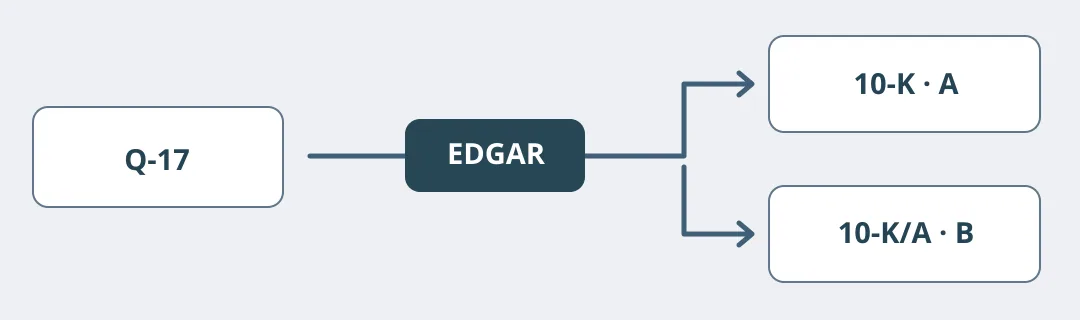
Figure 1. Original workflow diagram, not a tool screen. Keep both records; an amendment does not automatically invalidate the original.
Test version handling on one passage
Use fictional cards, with no real company or investment action. Q-17 asks for a made-up warehouse-labelling passage. Original 10-K A contains the sentence; 10-K/A B includes an exhibit and specifies what it amends. Record filing date, reporting period, form, accession number, section and surrounding text. In EDGAR, verify the main document or exhibit and note exactly what the amendment covers. If B doesn’t repeat a section, that alone doesn't mean it deleted or superseded A. If you can't find the passage, mark it unverified rather than substituting a search snippet.
Run the same questions through direct EDGAR and AlphaResearch followed by EDGAR. Require reproducible original sources for all critical cards, then compare time per verified passage and coverage. Confirm non-U.S. document scope on the selected plan and billing cycle before paying. If direct search is just as fast or hits cannot be relocated, skip the discovery layer. This is document retrieval, not investment analysis.
Content note:This article is based on publicly available information and is intended as a reference for evaluating tools. Features, pricing, and related policies may change at any time; please refer to the latest official information.
Original source:alpharesearch.io