Ariso: is conversation rehearsal better than a design-review outline?
Use a fictional design disagreement to test whether a coach surfaces a verifiable question instead of guessing motives.
If the question and evidence are already clear, a three-line outline is enough. For a complex but low-stakes design trade-off, consider rehearsal with Ariso’s Ari. An August 2026 OpenAI Academy article quotes Ariso’s CTO on its pilot conversation coach. Here the goal is rehearsal quality, not evaluating staff, and no real dialogue or audio is needed. (Source)
Fictional discussion: A, there are two paper display-stand sketches. B, nobody knows which is easier to carry. C, no carry test has been done. “Why don’t you care about portability?” turns an unknown into a judgment. A better question: “Can we fold both to the same width and compare the steps needed to carry them?” The draft should distinguish two sketches, the unknown and zero tests instead of turning missing evidence into a conclusion.
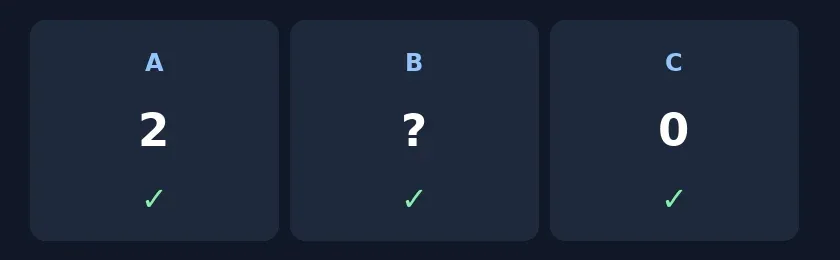
Original rehearsal card, not a product conversation. The cards distinguish a fact, an unknown and an evidence gap.
For three invented disagreements, draft your own question and compare it with an assisted draft. Reject changed goals, invented motives or suggestions to act without agreement. Let a person pick the final question. Consider adoption only if the coach repeatedly turns vague concerns into testable questions and saves time after review. No workspace connection, recordings, identification or messages.
Content note:This article is based on publicly available information and is intended as a reference for evaluating tools. Features, pricing, and related policies may change at any time; please refer to the latest official information.
Original source:academy.openai.com