Makiverse buying guide: When do manga readers and anime viewers discover the same twist?
An original lantern story distinguishes a page turn from a timed reveal. Sharing the character does not keep the suspense at the same moment.
In its October 28 comparison, Makiverse lists manga chapters and anime episodes, says characters can be referenced across panels and shots, and describes a timeline editor for anime episodes. This supports comparing the two formats, not assuming one story automatically keeps its pacing in both.
Start by asking when the audience learns the twist
In an original story, a repairer hangs an old paper lantern. From its dark side it looks broken; turning it reveals a gold star inside. The draft has three panels: hang the lantern, see its dark side, reveal the star. If the second panel ends the page and the third follows a page turn, readers see only darkness beforehand. If all three share one page, an early glance can spoil the surprise. In anime, there is no page turn: keep the center out of the first two shots and reveal it in the third.
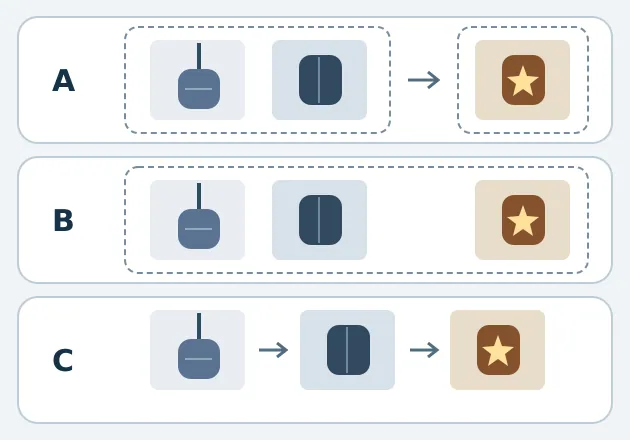
A places the third panel on a separate page. B makes the star visible up front. C’s arrows indicate playback order only.
Prepare two paper checks without real content: list the panels visible before each turn, then mark the shots before, during and after the intended reveal. Ask someone who has not read the brief when the star first appears. If the preview gives it away, fix which panels are exposed or reframe a shot rather than merely checking character consistency. This is not a product performance test.
When is one format enough?
Compare this approach if you need a serial and a short film, want consistent character references, and have editing time to pace them separately. For one short comic or when a film’s reveal must be controlled shot by shot, a single storyboard or the existing edit is more direct. Budget layout rework, frame review and pacing changes, not just character reuse. This example uses original paper storyboards only: no agents, generation, uploads or publication.
Content note:This article is based on publicly available information and is intended as a reference for evaluating tools. Features, pricing, and related policies may change at any time; please refer to the latest official information.
Original source:makiverse.com